why one of hospitality’s most resilient models has been hiding in plain sight
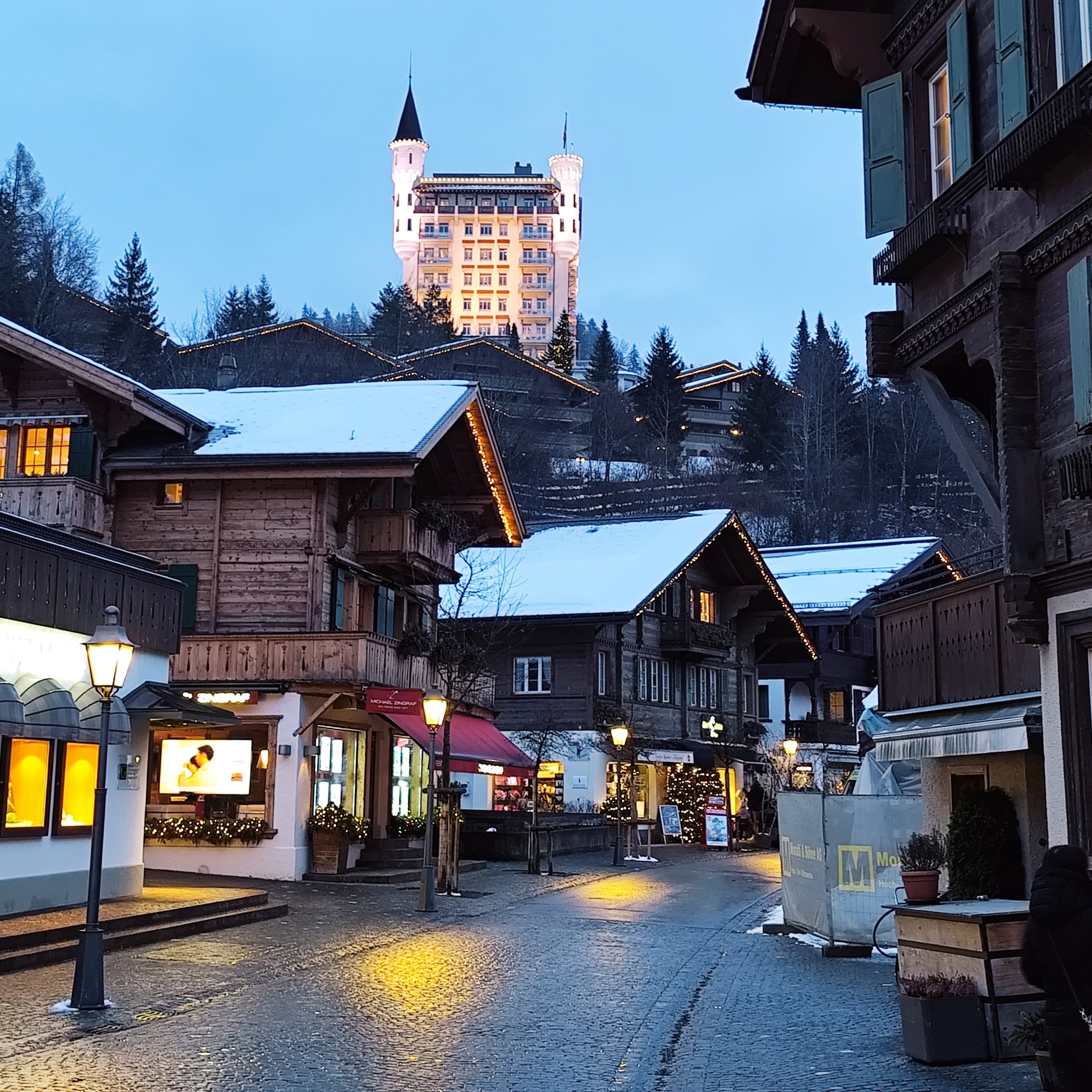
A recent business trip to Gstaad led me to reflect on a hospitality model many consider outdated, yet which may hold surprisingly relevant answers to some of the industry’s current challenges: the family run bed and breakfast.
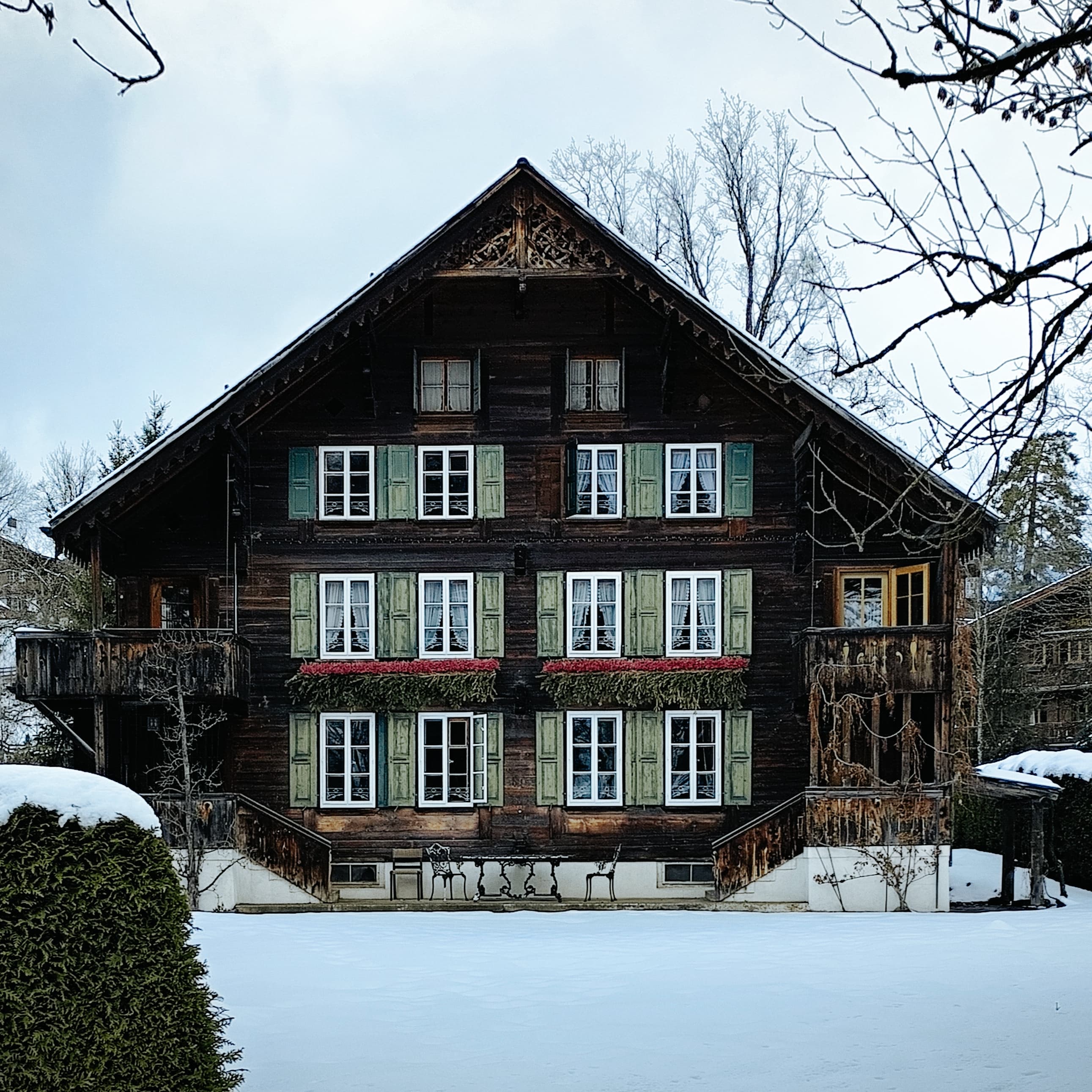
Due to a last minute meeting, I had to book accommodation on short notice. With minimum nightly rates in the region hovering around EUR 700, staying off site was not an option. Almost instinctively, I was reminded of the bed and breakfasts I grew up with in the 1980s. To my surprise, I found exactly that. A couple in their seventies renting out three former children’s rooms in their own home, serving a simple organic breakfast with local products.
The experience was remarkably balanced. Centrally located, aligned with the budget of a short business trip, personal without being intrusive and enriched by conversations that provided local insights no digital platform could replicate.
The quiet decline of a once dominant lodging model
In core Alpine regions, family run bed and breakfasts once represented around 35 to 40 percent of overnight stays in the 1980s. By 2021, this share had fallen to approximately 25 percent and further to around 18 percent by 2024.
The reasons are structural. A generational shift among hosts, increasing regulatory complexity, limited digital visibility and the rise of professionalised hotels and holiday apartments have steadily pushed this model out of focus. Over the last decade alone, the number of private landlords with fewer than ten beds declined by roughly 15 percent, even as average daily rates increased significantly.
Many properties were sold, repurposed or absorbed into larger developments. Not because the experience lacked relevance, but because the model lacked support.
Why family run bed and breakfasts are quietly returning
Despite this decline, the outlook for this segment is improving. Current forecasts indicate a compound annual growth rate of close to three percent between 2024 and 2026.
Several forces are converging. Travellers are becoming more price sensitive while simultaneously seeking authentic, socially grounded experiences. Even with unlimited access to information, many struggle to find genuinely relevant local insights. At the same time, small scale lodging formats benefit from lower fixed costs, favourable tax treatment in many regions and higher resilience in volatile market conditions.
During the post pandemic recovery, small scale accommodations recovered faster than large hotels due to lower break even points and guest preferences for less crowded, more personal environments.

The real differentiator lies in curating the guest journey
What truly sets family run bed and breakfasts apart is not price or location. It is the ability to curate and enrich the personal guest journey.
During my stay in Gstaad, I did not just receive the information I needed. I received insights I would never have thought to ask for. Local context, informal recommendations and personal introductions became unexpectedly valuable and deeply enhanced the stay.
This kind of experiential value is difficult to industrialise. And that is precisely the challenge.
Scaling authenticity without losing it
The key question is how to replicate this insider knowledge without losing authenticity.
One approach is to codify it through a carefully prepared insider guide that reflects the host’s local expertise and personal network. Another is the more informal route through genuine dialogue. This path is more powerful, but also more complex, as it depends on mutual openness and the willingness of both host and guest to engage.
Digitalisation can support these journeys, but it cannot replace human connection. The goal should not be standardisation, but intelligent enablement.
A shared responsibility for destinations and tourism bodies
This is where destination organisations and tourism offices have a crucial role to play. Beyond regulation and taxation, they should actively support small scale hospitality initiatives by improving visibility outside of OTA platforms, communicating existing incentives more clearly and enabling meaningful co marketing with local businesses.
Supporting family run bed and breakfasts is not nostalgic romanticism. It is a strategic lever to preserve local culture, protect natural ecosystems and prevent gentrification. It helps ensure destinations remain genuinely lived in, rather than hollowed out by speculation.
A strategic opportunity hiding in plain sight
From a strategic perspective, this model does not need reinvention. It needs recognition, modernisation and thoughtful integration into destination ecosystems.
Some of hospitality’s most resilient and scalable answers are not new. They have simply been hiding in plain sight.
A quiet invitation to rethink small scale hospitality
For destinations, tourism bodies and owners alike, the question is not whether family run bed and breakfasts still have a role to play. The question is how deliberately we choose to integrate them into future ready hospitality ecosystems.
In my advisory work, I often see that the most resilient business models are not built through scale alone, but through clarity of concept, local relevance and intelligent orchestration of partners. Small scale hospitality offers exactly this potential, if we are willing to treat it as a strategic asset rather than a legacy model.
I am curious to hear how others are approaching the reinvention of traditional bed and breakfasts. Especially where experience design, digital enablement and destination strategy intersect. This is a conversation worth having now, before the opportunity quietly disappears again.
Photo credit
All photo rights are with Detlef Schmidt
Location: Gstaad, Switzerland, February 2026
teilen