what hospitality and marketing leaders can learn from louis vuitton at art basel paris
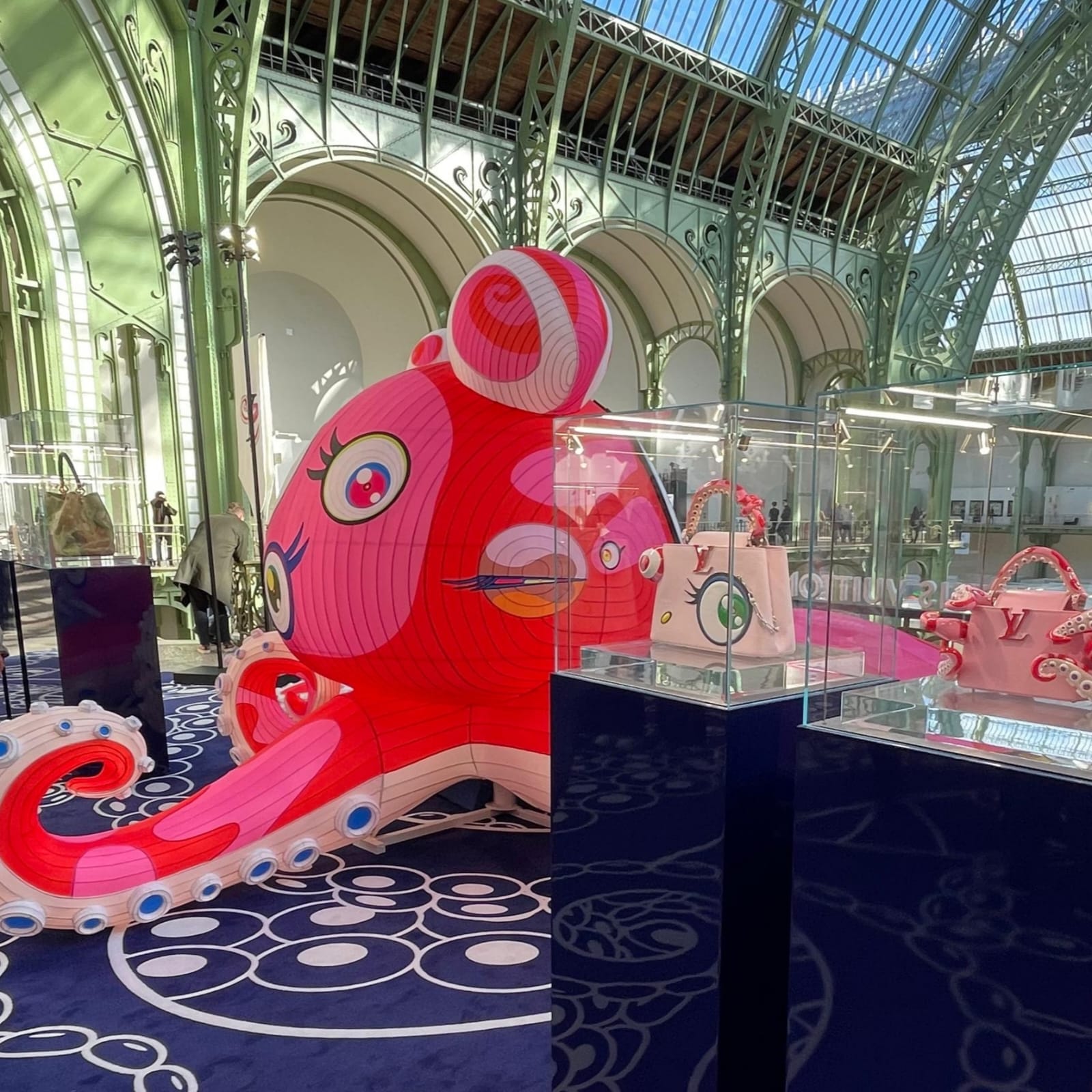
If you follow contemporary art, you have probably seen images from Art Basel Paris recently, particularly the striking Louis Vuitton installation featuring Takashi Murakami’s vibrant designs.
👉 Beyond the visual spectacle lies a clever strategic move that the hospitality industry should pay attention to.
The Side Event as the Hidden Star
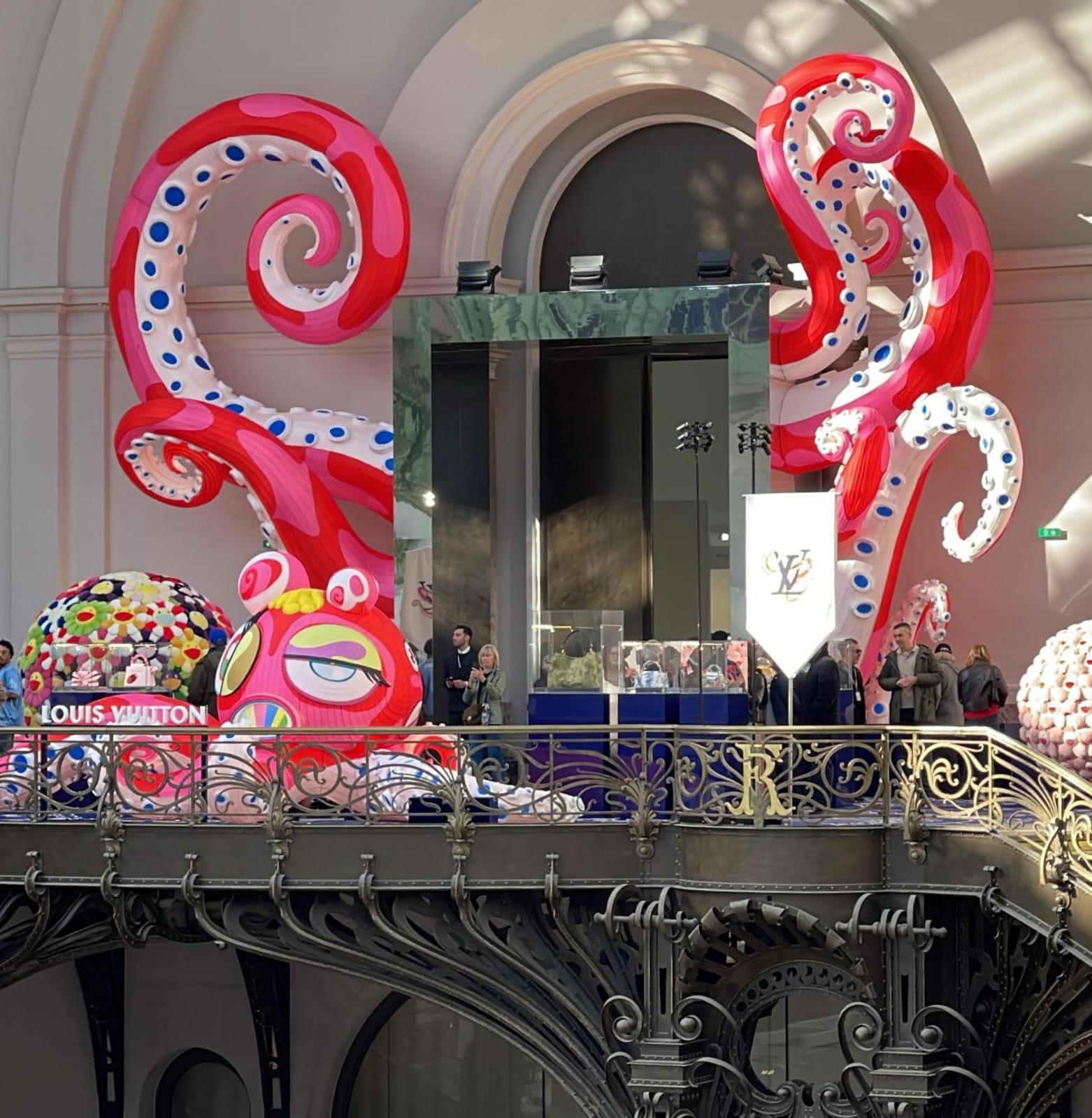
During the fair, Louis Vuitton, an official Art Basel partner, unveiled the seventh edition of its limited “Artycapucines” handbag collection, all created in collaboration with contemporary artists since 2019. This year’s launch, featuring Murakami’s work, took place on the iconic Balcon d’Honneur of the Grand Palais, where handbags became part of a larger art installation.
This wasn’t just product display. It was strategic storytelling through cultural context and a way to elevate brand perception by embedding a commercial moment within an artistic environment.
Luxury Product Placement Reimagined
Louis Vuitton’s collaborations with artists are nothing new. What is new is the experiential framing: a collection launch positioned as an art experience within one of the world’s most exclusive cultural gatherings.
By intertwining the art fair’s DNA (exclusive, contemporary, rare, international) with its own, Louis Vuitton achieved more than awareness. It created desire. The brand effectively turned a marketing activation into a moment of cultural belonging, blurring the lines between art, commerce, and experience.
The Link to Hospitality
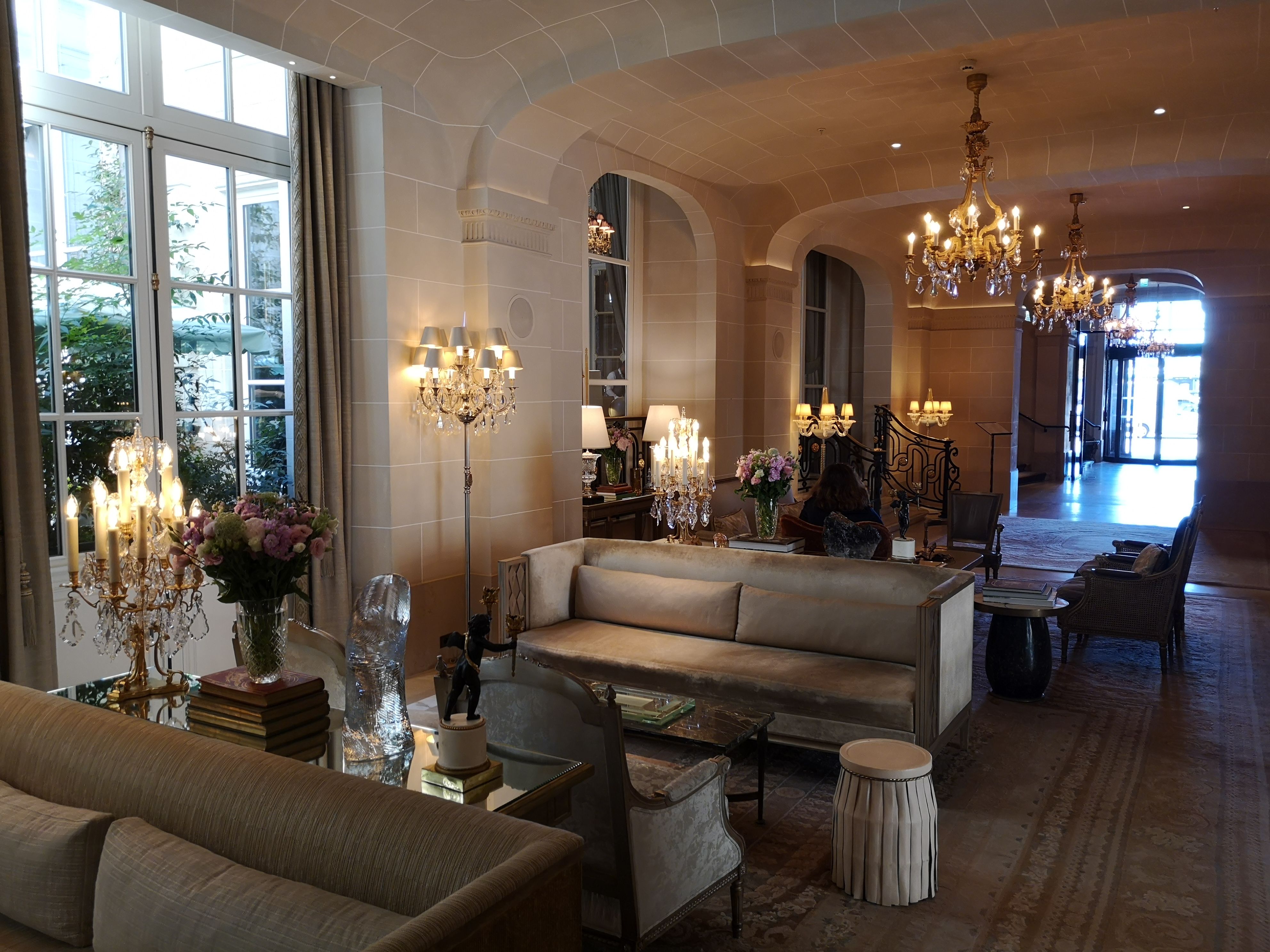
Hotels and art fairs actually share a similar operational model. Both manage spaces, curate experiences, and welcome a defined audience for limited periods. Over the past decade, art fairs have evolved into lifestyle events, using sponsorship and partnerships to attract new audiences, generate additional revenue, and strengthen their cultural relevance.
Imagine if hotels and hospitality spaces adopted a similar approach, curating cultural activations that merge art, design, and community. Think of underused public areas turned into showcases, brand collaborations, or immersive installations. These are not just nice-to-have amenities, they’re new ways to:
- generate incremental revenue,
- elevate brand positioning,
- create authentic, purpose-driven guest experiences,
- build stronger community connections.
Cultural Programming as a Growth Driver for Hospitality
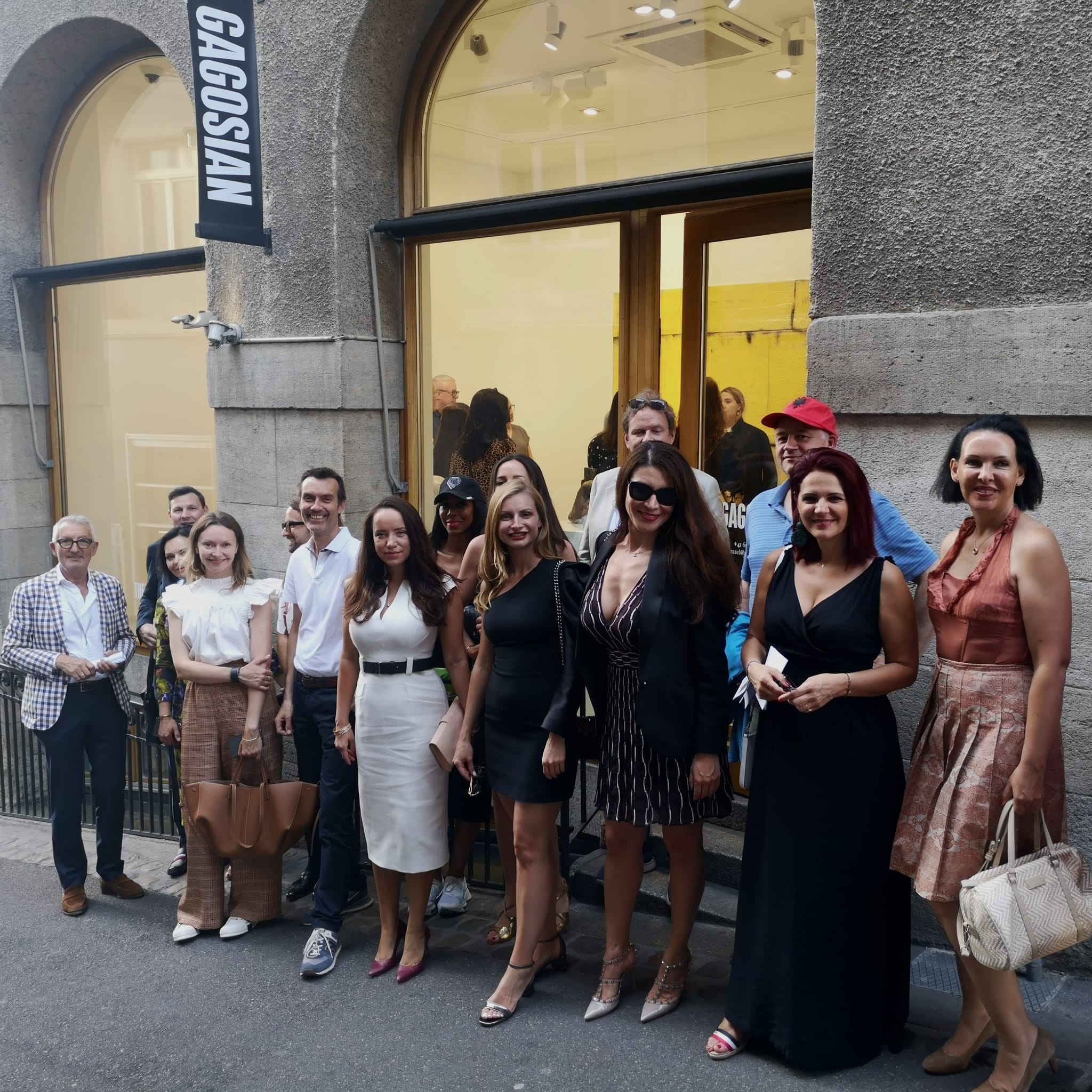
What Louis Vuitton executed at Art Basel Paris is what we call Cultural Programming initiatives that activate spaces and people through meaningful, art-infused experiences. When implemented strategically in hospitality, these programs can spark emotion, attract new audiences, and transform properties into cultural destinations.
The question is not if Cultural Programming will become a growth driver, it’s when.
Call to Action 🔐
Are you ready to explore how cultural programming can elevate your properties or your brand? Let’s connect and create meaningful experiences that deepen guest engagement, attract new clients and drive sustainable growth together.
About the Author
Detlef Schmidt has curated and managed over 100 international events in the sense of cultural programming across five continents at upscale hospitality venues. He advises on creating Cultural Programming strategies that merge experience and business growth.
Photo credit:
Art Basel, Paris (Andrew Kostin)
Hotel de Crillon, Paris (DS)
Art Basel Cultural Programming Event, Basel (DS)
teilen