the connection between an Indian wedding, a chicken and hospitality growth
A short trip to Thailand in late November offered a front-row view into one of the most powerful, yet still underestimated, growth engines in global hospitality (Part 1).
It also revealed why authentic, locally rooted experiences with purpose are no longer a “nice to have,” but a strategic lever for scalable expansion (Part 2). The insight came from an unlikely source, a chicken.

Part 1:
Indian Destination Weddings As A Powerful Hospitality Growth Engine
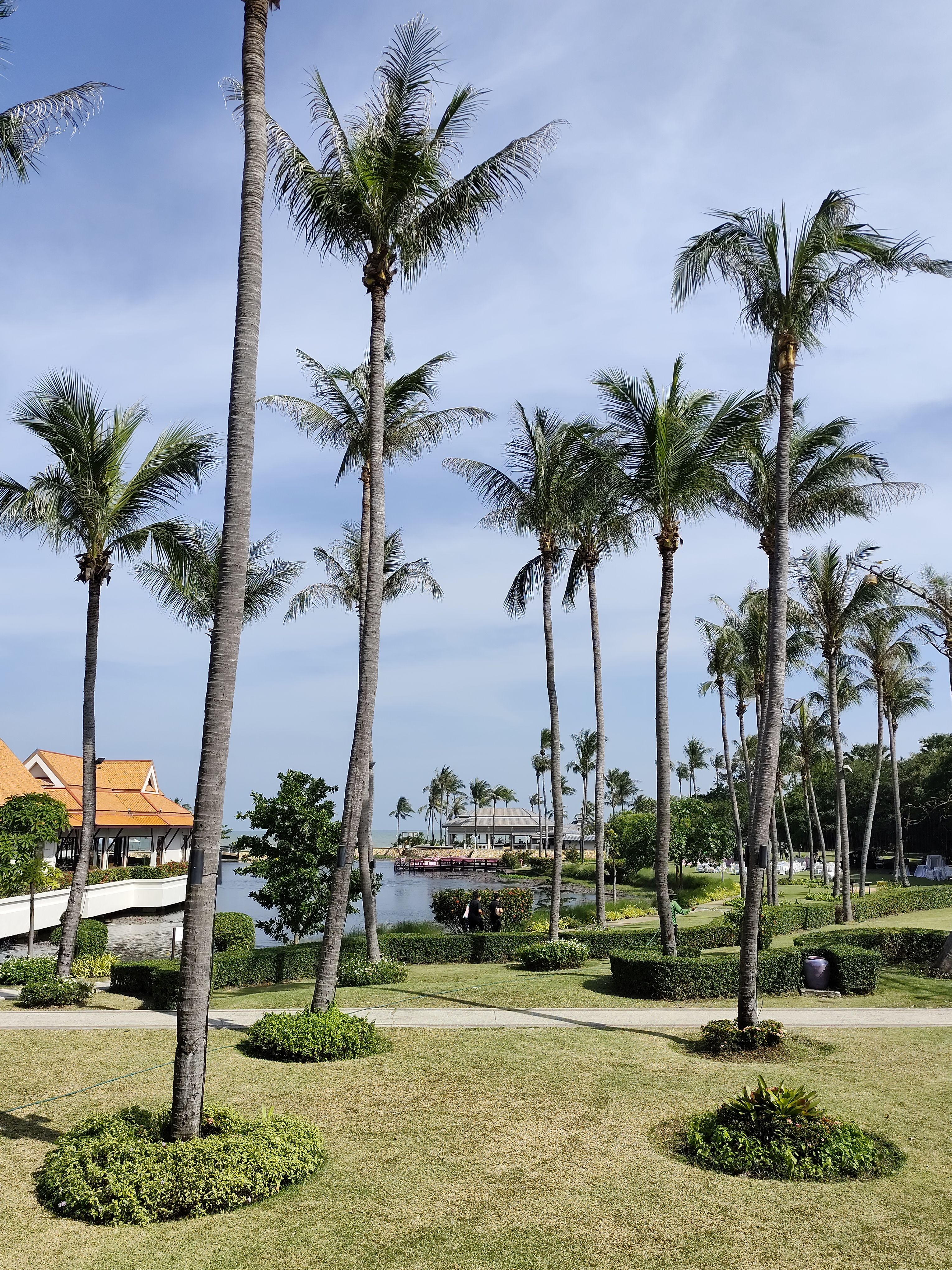
Last week, I had the honor to attend a spectacular Indian wedding in Thailand. Held at the Dusit Thani Hua Hin hotel, the celebration spanned three days and seven beautifully choreographed functions. The planning, precision and guest experience were simply outstanding. As a strategist in the hospitality industry, I could not help but see this wedding as more than a celebration. It was a lens into one of the most dynamic growth engines in tourism today.
1. A wedding market that travels
India’s wedding industry is projected to reach USD 130 billion in 2025. A rising share is now moving abroad, driven by higher budgets and amplified by social media. Outbound destination weddings already represent USD 2.5 billion across roughly five thousand events, with double digit growth expected through 2033.
2. Why Thailand became a global leader
More than three hundred Indian weddings take place in Thailand between November and March. Hua Hin, Koh Samui, Krabi and Bangkok are top choices, making Thailand the world’s no. 2 destination after the UAE. Families choose Thailand for reliable weather, Indian friendly expertise, strong value perception, warm service culture, proximity and visa free access.
3. The challenges behind the opportunity
Indian weddings abroad come with high service expectations. Multiple large scale meal functions, authentic regional flavors and strict dietary patterns raise F&B complexity. Rising competition from Europe, Vietnam, Malaysia and Indonesia intensifies the race. At the same time, leisure guests face limited facility access and noise.
4. Success factors for destinations and properties
Destinations require stronger positioning in India, improved talent pools and capacity expansion where needed. Properties must design operating models that balance diverse guest needs, protect leisure experiences during event periods and avoid segment cannibalization.
5. The outlook
Competition for Indian destination weddings will accelerate as budgets grow. Winning destinations will reduce logistical and talent barriers. Winning properties will invest in flexible infrastructure and build resilience into their business models.
Part 2:
How A Small Moment With A Chicken Revealed a Big Lesson For Hospitality Growth
During the wonderful three day Indian wedding in Hua Hin, Thailand, I discovered something that made me pause and reflect. In Part 1, I wrote about the impact and momentum of Indian destination weddings. Now, I want to share what I found by coincidence on the grounds of the Dusit Thani Hua Hin resort.
1. On-property farming and a curious chicken 🐔
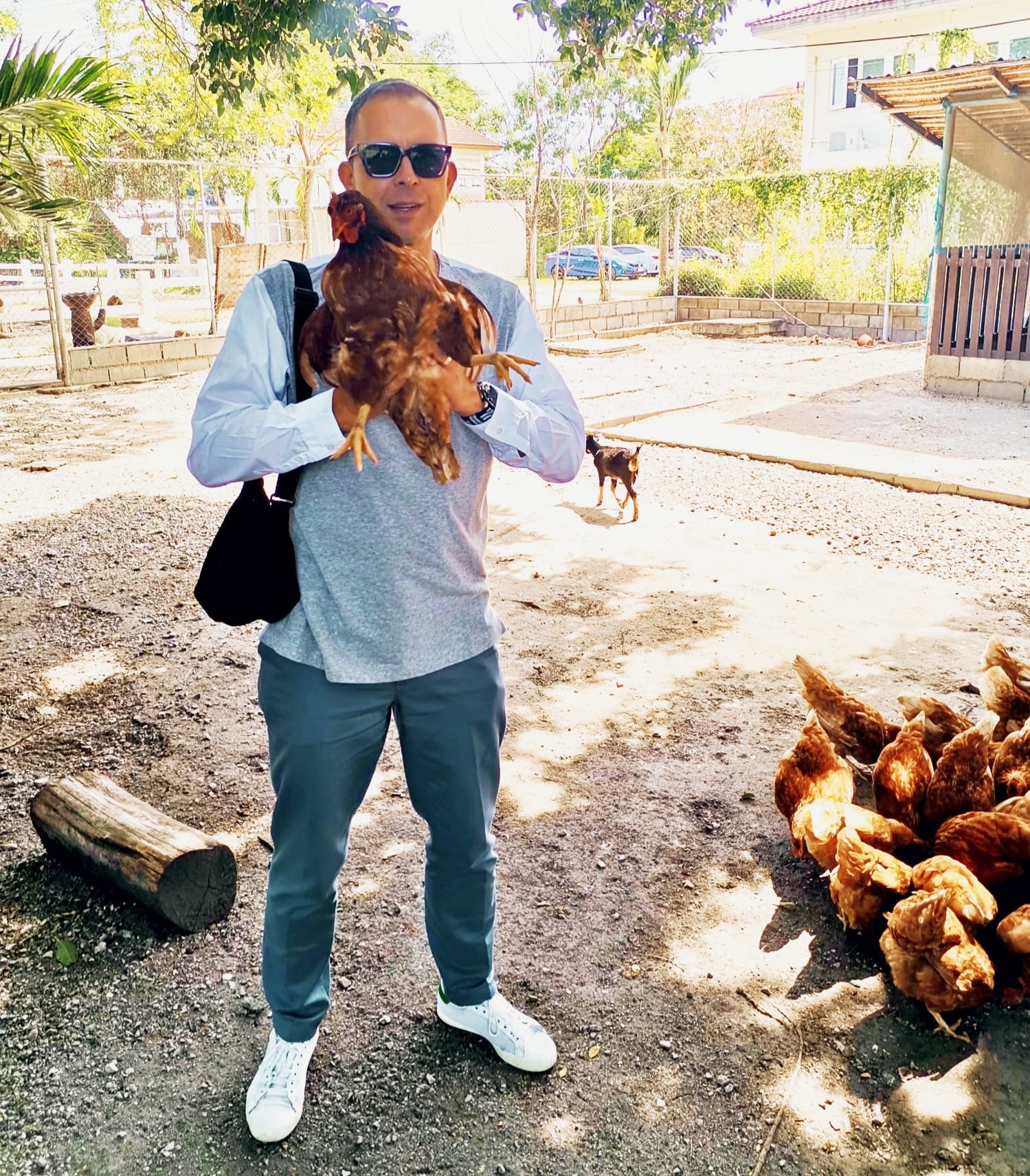
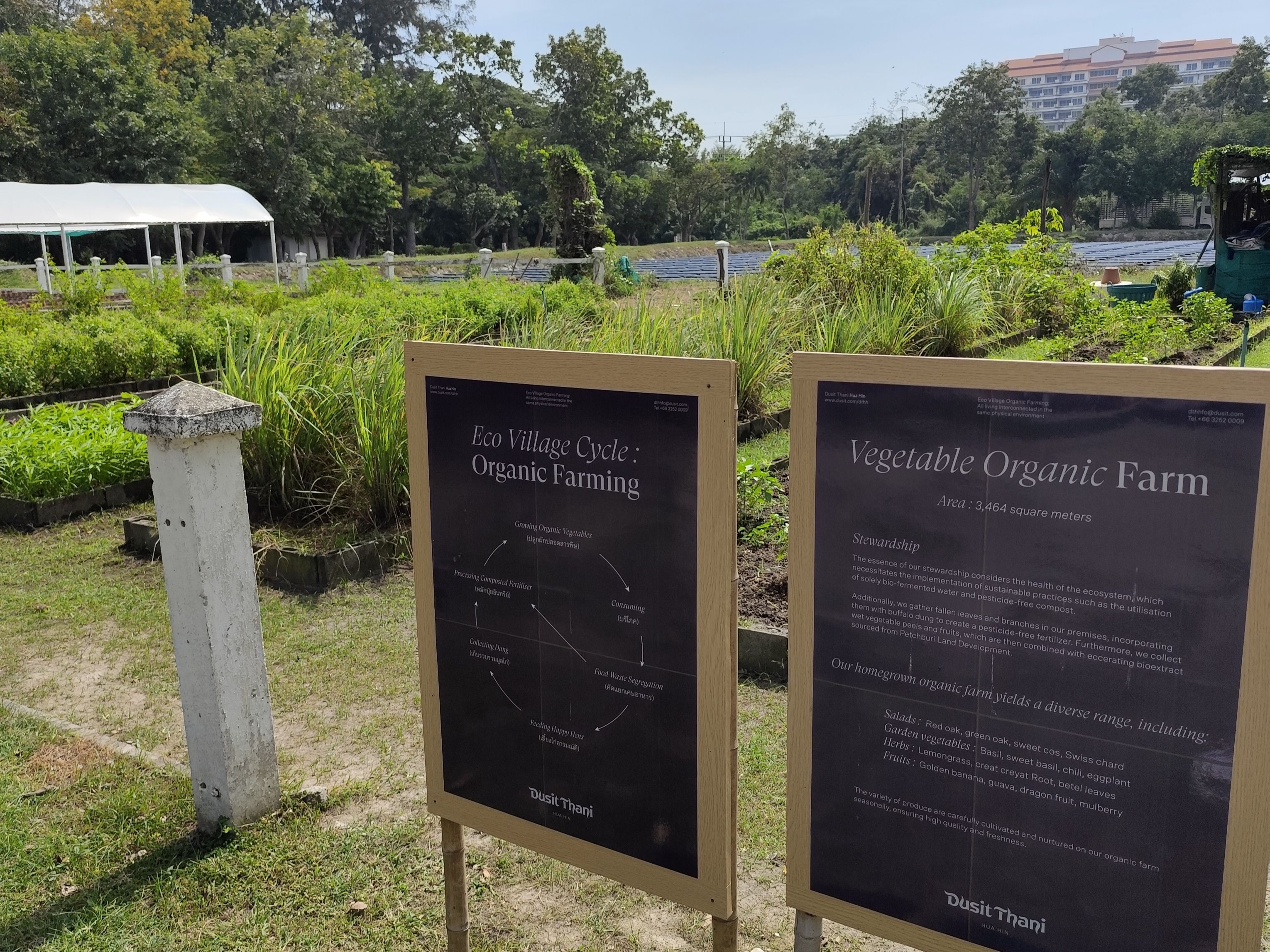
Hidden behind the main resort sits the Tree of Life Farm, a small organic farm created during the pandemic. It supplies the hotel with products like eggs, rice and vegetables while supporting its sustainability goals. Guests can reach it by a short shuttle ride or a ten minute walk and once there, a completely different world opens up. Children and adults can feed baby goats, collect eggs, plant rice in a muddy field or simply spend time with the animals including goats, chickens, a buffalo and two turtles. A farmer is always nearby to guide and encourage. This is where I made friends with a curious chicken and realised how forward looking this concept truly is.
2. A future-ready experience booster
Many leisure guests today are searching for experiences that feel meaningful. They want to learn, connect and engage with nature rather than only consume. Activities like the ones offered on this farm create shared memories across generations, teach sustainability in a gentle way and strengthen a sense of responsibility. They also improve guests' wellbeing by lifting their mood and reducing stress in a natural and playful environment. The farm also features a beautifully restored stable which serves as a unique event space. This combination of experience creation, learning opportunities, product supply and revenue generation is both thoughtful and strategic.
3. Authenticity & purpose as growth drivers
The Tree of Life Farm is far more than a charming feature of the resort. It shows how thoughtfully curated experiences that are authentic and purposeful can significantly elevate guest satisfaction and drive new revenue in parallel. This example underlines that long term value creation and new growth opportunities are well within reach when properties invest in experiences that truly resonate with guests. I hope this approach continues to evolve and inspire more leaders across the hospitality industry.
❓Call-to-Action
If you are exploring how to translate emerging demand segments into scalable, experience-led growth across hospitality assets or portfolios, feel free to reach out. I support investors, developers and hospitality leaders in shaping future-ready strategies that enhance positioning, resilience and long-term value.
Find this publication on LinkedIn
Photo credit
Dusit Thani Hua Hin, November 2025; All picture rights are with Detlef Schmidt
teilen