convergence in practice: putting art, hospitality, and luxury retail in a future context
A viabledesign study tour during the Snow Polo World Cup in St. Moritz
On 24 January 2026, a selected group of international leaders gathered in St. Moritz and Sils Maria to explore one of the most decisive shifts shaping premium industries today: the convergence of art, hospitality, and luxury retail.
Rather than discussing convergence as an abstract concept, the study tour was designed as an immersive, curated experience. Participants were invited to observe firsthand how leading organizations translate long term strategy into lived customer experience, and how cultural relevance, place, and narrative increasingly define competitive advantage.
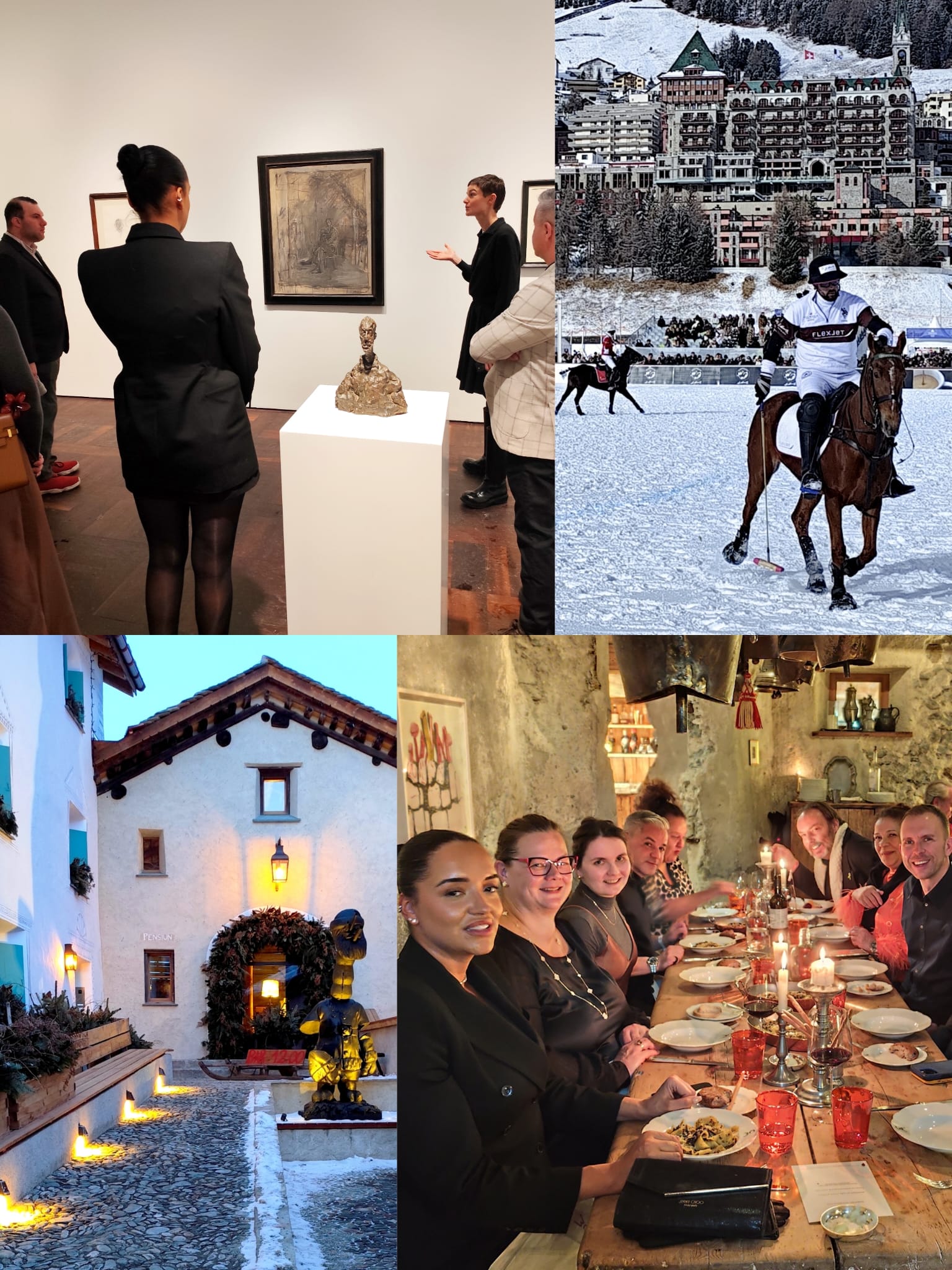
Art as Strategic Anchor
The evening began at Hauser and Wirth St. Moritz with a private guided visit to the current Giacometti exhibition led by Director Giorgia von Albertini. Beyond the artworks themselves, the focus lay on Giacometti’s deep connection to the Engadin and the strategic role of place, provenance, and narrative.
Curated by Tobia Bezzola, the exhibition brings together paintings, sculptures, and drawings that reveal Giacometti’s lifelong engagement with those closest to him, his parents, his brother Diego, and his wife Annette, as well as the landscapes that shaped his artistic language. These works, enriched by photographs from Ernst Scheidegger, create a powerful bridge between Giacometti’s private world in the Alps and his public presence in Paris.
For participants, this private view was more than an art historical perspective. It illustrated how authenticity, rootedness, and cultural depth can become strategic assets when activated thoughtfully. In an age where many brands compete for attention through scale and visibility, Hauser and Wirth demonstrates how meaning, continuity, and curatorial rigor build lasting relevance.
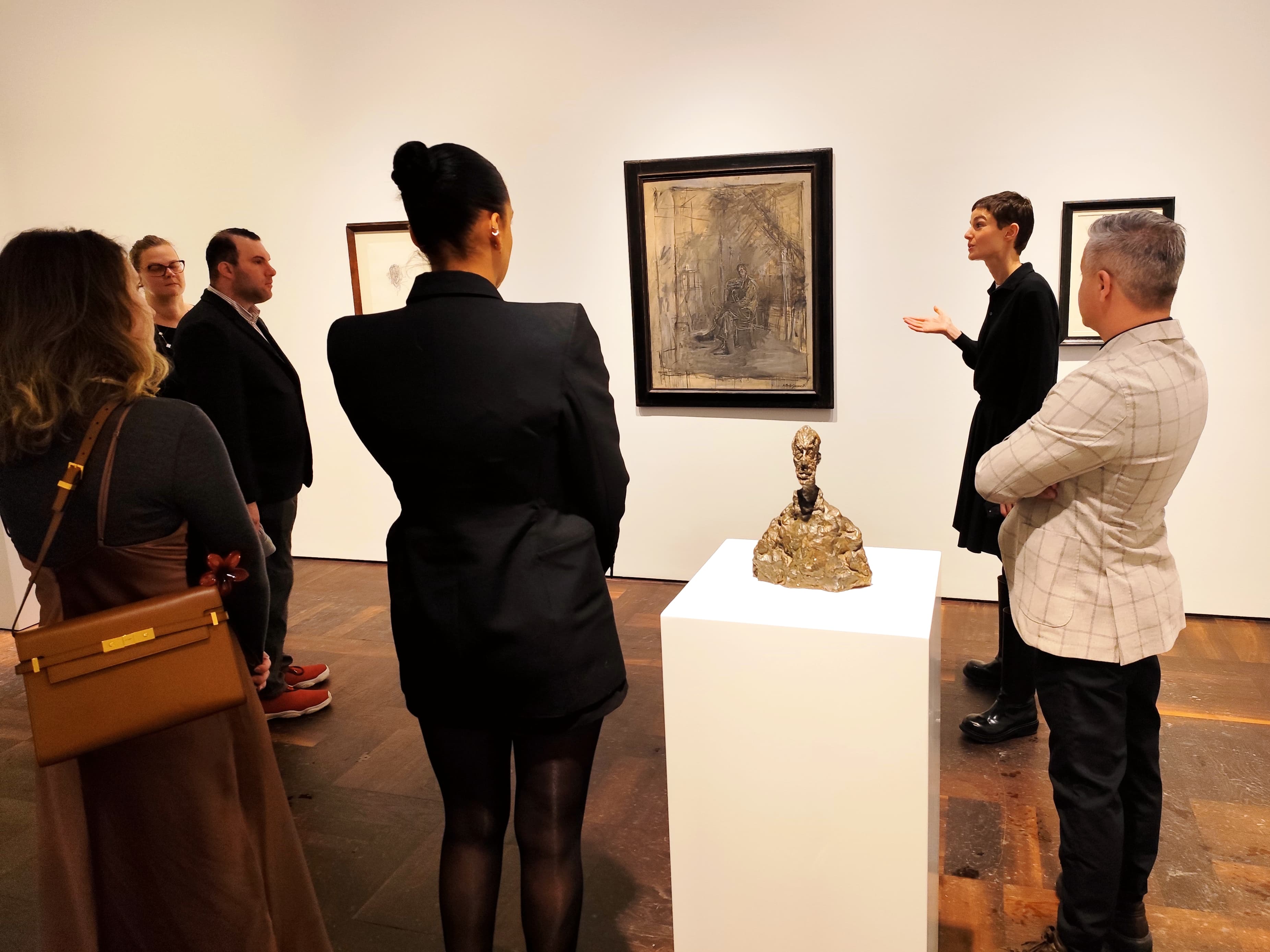
Hospitality as Cultural Stewardship
From St. Moritz, the group moved to Sils Maria and the Parkhotel Margna. During an intimate aperitif in the historic library, General Manager Luzi Seiler shared the transformation journey of the property into a 4.5 star hotel.
Following a recent investment of 30 million Swiss francs and a carefully phased renovation, the hotel today combines more than two hundred years of history with contemporary comfort, design, and art. The conversation focused on how hospitality brands can evolve without losing their soul, and how experience design becomes the key lever to meet changing guest expectations.Parkhotel Margna exemplifies a broader shift in hospitality. Guests no longer seek generic luxury but rather places with character, culture, and emotional resonance. For owners and operators, this raises fundamental strategic questions around positioning, capital allocation, and long term brand value.
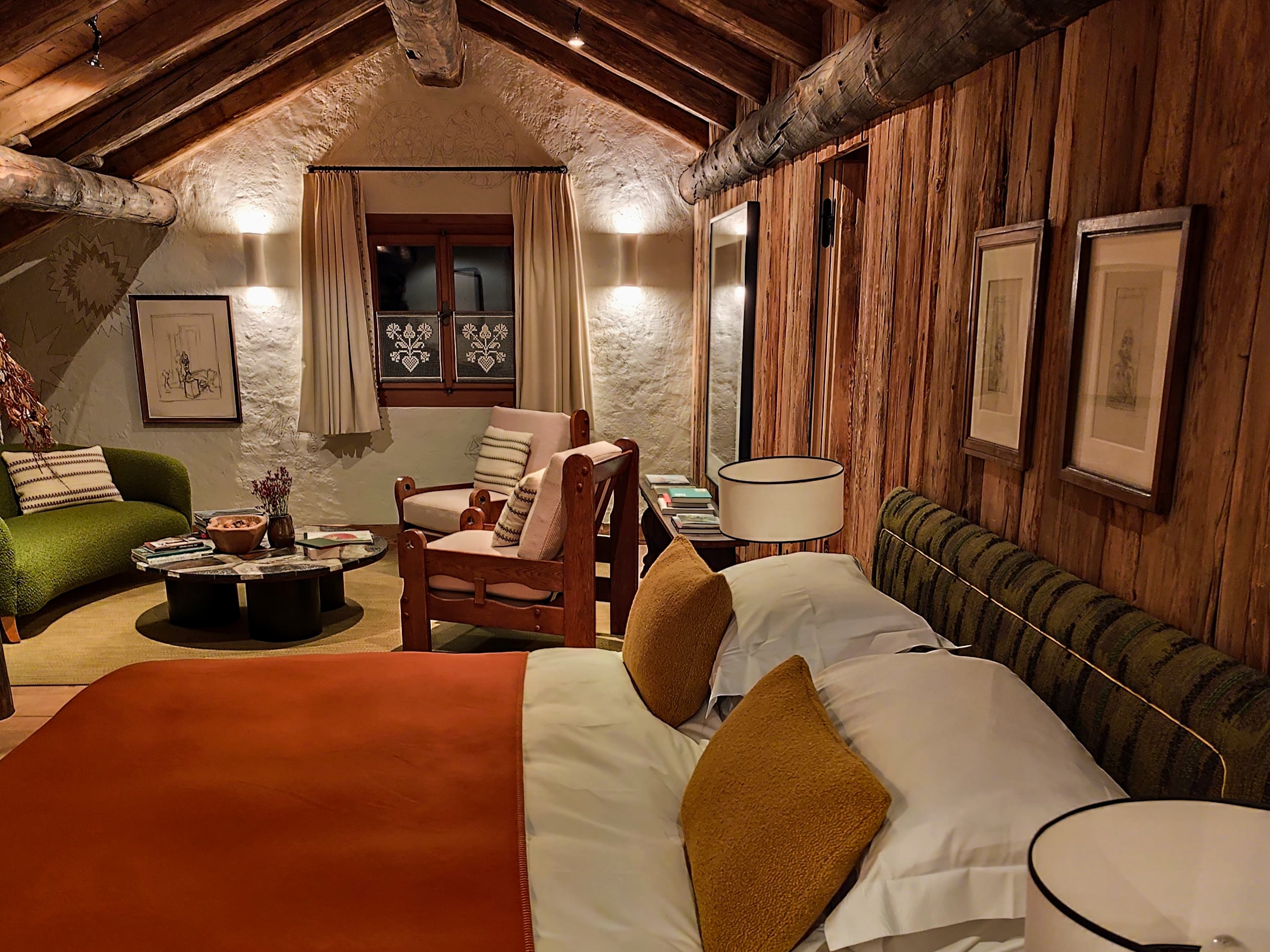
Convergence Made Tangible
The evening concluded at Chesa Marchetta in Sils Maria, a compelling example of convergence brought to life. Developed by Artfarm, the hospitality arm of Hauser & Wirth, the property forms part of a broader ecosystem.
Once a legendary guesthouse run by Maria and Christina Godly and frequented by artists such as Gerhard Richter and Jean Michel Basquiat, Chesa Marchetta has been carefully redeveloped under the architectural direction of Luis Laplace. Today, it offers 13 individually designed rooms, a bar with an attached lounge and an ambitious restaurant open to both hotel guests and the local community. Throughout the property, artworks by Alberto Giacometti, Philip Guston, Louise Bourgeois, Nicolas Party, William Kentridge, Paul McCarthy, and others are integrated seamlessly into the spatial narrative. Art here is not an accessory but a defining element of atmosphere and identity.
Participants were guided by the General Manager Federica Bertolini through the house, including the visit of a suite featuring works by Gerhard Richter. The evening continued in a dinner with an emphasis on communal elements and regional inspiration. This experience demonstrated how art, hospitality, and investment can converge into an integrated customer journey, rather than a collection of isolated touchpoints.
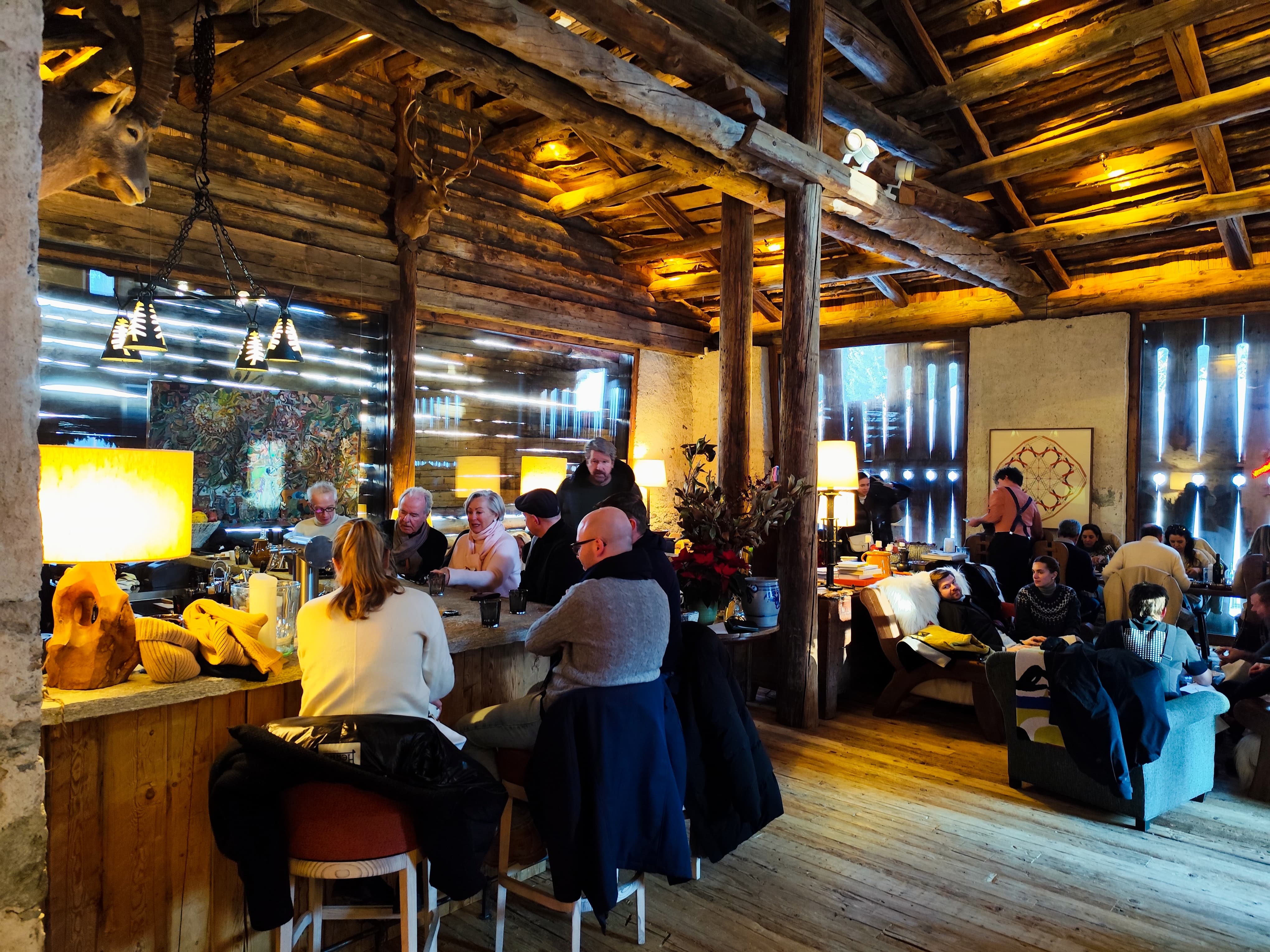
Strategic Insights from the Study Tour
Across all three venues, one insight became clear. Convergence succeeds when organizations stop optimizing individual touchpoints and instead design integrated, localized, and culturally meaningful journeys. For investors, developers, and operators, this has direct implications. Future growth will not be driven by replication alone but by relevance. By the ability to create places that resonate emotionally, reflect their context, and connect with guests on a deeper level.
Why Study Tours Matter
Study tours like this serve as laboratories for future business models. They give leaders the opportunity to step outside their own operational context, learn from adjacent industries, and experience innovation as a lived reality rather than an abstract concept. Most importantly, they create a space for dialogue around how strategy translates into atmosphere, service design, and long term brand equity.
Convergence Is Not a Concept, It Is a Capability.
Building on the strong response to this edition, further study tours are currently in planning. Each will continue to explore how convergence can be used as a strategic response to shifting markets, rising guest expectations, and the growing demand for meaningful differentiation. For leaders navigating these dynamics, convergence is no longer optional. It is becoming a defining capability.
Photo credit
All photo rights are with Detlef Schmidt, St. Moritz & Sils-Maria, Engadin 2026
teilen